


Table of Contents
Joint pain doesn’t have to slow you down or force you to give up activities you deeply love. If sore knees or aching shoulders are starting to interfere with your daily routines, PRP joint injections are your ideal treatment.
These offer a powerful and non-surgical solution designed to support real healing. By using your body’s own regenerative properties, PRP therapy for active adults helps reduce inflammation, improve joint function, and restore confidence in movement.
Why Joint Pain Hits Active Adults Differently
Active adults usually don’t struggle with movement because they are weak. Most are strong, consistent, and disciplined. Joint pain shows up because the body has been doing a lot for a long time.
Training, sports, and physical jobs all create repeated stress on the same tissues. That stress adds up, especially in joints that take the brunt of daily activity.
Some reasons pain develops could be anything from the following:
- Old injuries that never fully recovered
- Microtears from repetitive motion
- Joint wear and cartilage breakdown over time
- Inflammation that becomes chronic instead of temporary
- Tendons and ligaments losing elasticity with age
Many adults also notice a frustrating pattern; They can “warm up” and feel okay during exercises. However, stiffness and soreness will return afterward. This cycle could be a sign that something deeper than muscle fatigue may be happening.

The Real Goal: Staying Active Without Living on Ice Packs
A lot of people assume that joint pain is something you’ll have to manage forever. Thus, they rotate between rest days, anti-inflammatory medications, braces, and avoidance of movements that could trigger pain.
Now, the issue here is that constant workarounds often lead to compensation.
- A painful knee can change your gait.
What PRP Is and Why It’s Different
Platelet-rich plasma (PRP) is created using a small sample of your own blood. The blood is processed to concentrate platelets, which contain proteins and growth factors that play a key role in tissue repair.
When PRP is injected into a joint or injured area, it does not “cover up” the discomfort. Instead, it can support the healing response in tissue that has become irritated, inflamed, or damaged.
This is why patients often describe PRP therapy for joints as a treatment that focuses on the cause of pain rather than simply managing symptoms.
How PRP Helps the Joints Active Adults Rely on Most
The most common joints that cause problems for active adults are the ones used constantly: knees and shoulders.
Knees deal with:
- Squatting and lunging
- Running and hiking
- Sports like basketball, soccer, and pickleball
- Long-term cartilage stress
Shoulders deal with:
- Weightlifting
- Repetitive overhead movement
- Manual labor and home projects
- Sports like tennis, swimming, and volleyball
It’s also worth mentioning that PRP is frequently used for soft tissue issues. Many active adults deal with tendon pain long before a joint becomes a serious problem. PRP can be an option for PRP for tendon and ligament injuries, particularly when the tissue has trouble healing on its own.
PRP vs. “Quick Fix” Treatments
Active adults often hesitate to pursue injections because they assume all injections are the same. The truth is that PRP works differently than steroid injections and other pain-focused treatments.
Steroid injections are typically used to reduce inflammation quickly. They can be helpful in some cases, but they do not encourage tissue repair. Some people also prefer to avoid repeated steroid use in weight-bearing joints.
PRP, on the other hand, is often considered a regenerative treatment. It uses the body’s own platelets to support healing. Results are not instant, and that’s part of what makes PRP appealing to people who want real change rather than a temporary reset.
For many patients, this makes PRP a strong option for Non-surgical joint pain treatment, especially when they want to delay or avoid more invasive procedures.
What the PRP Process Looks Like
One reason PRP has gained traction is that the process is relatively straightforward. It typically includes:
- A blood draw
- Spinning the blood in a centrifuge to separate platelet-rich plasma
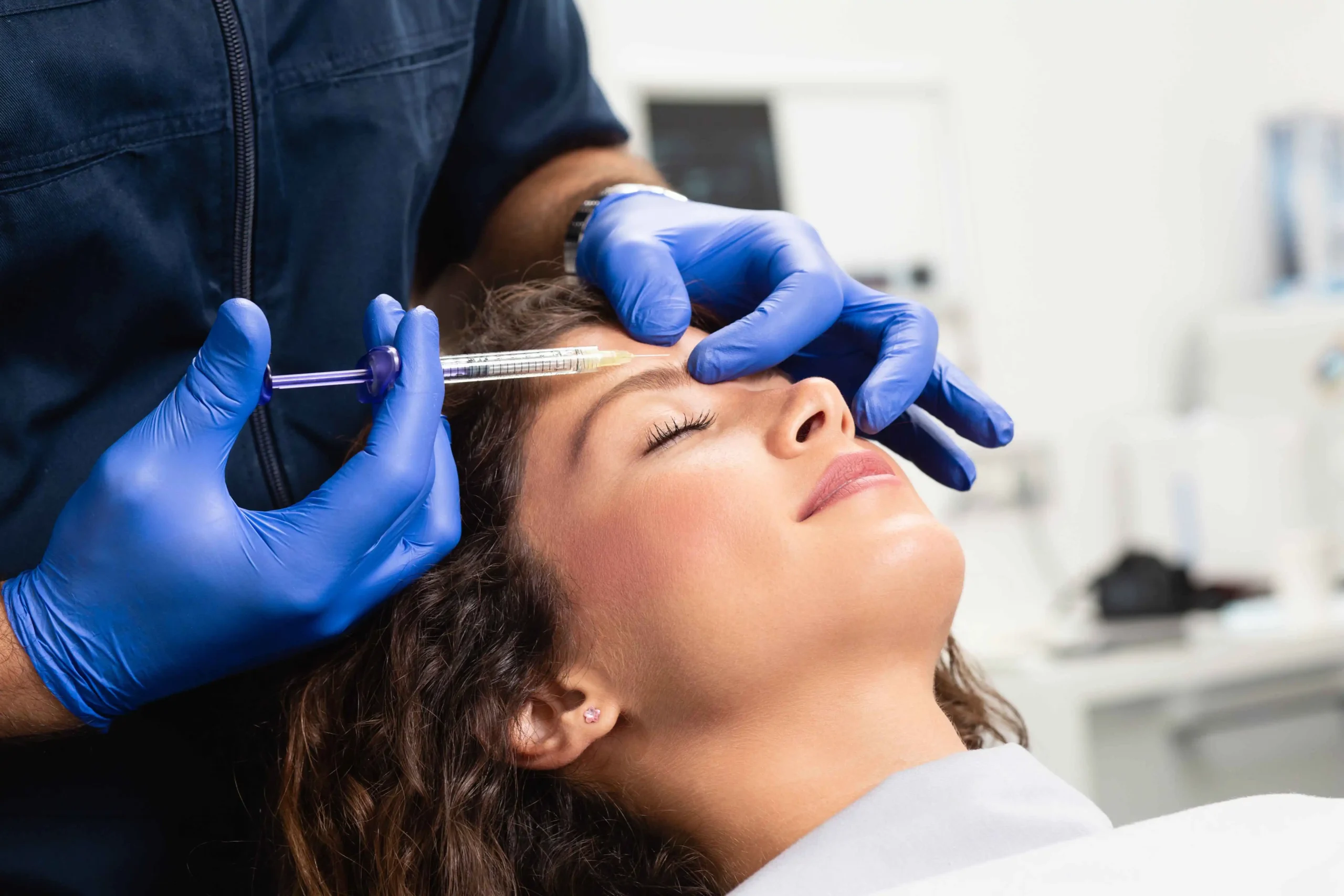
- Injecting the PRP into the affected joint
In some cases, ultrasound guidance is used to help place the injection more precisely. Since PRP uses your own blood, the risk of allergic reaction is extremely low.
This treatment is often done in-office and does not require sedation. Most people return to daily life quickly, although activity modifications are usually recommended for a short period.
What Results Can Feel Like (And What to Expect)
PRP is not designed to act like a painkiller. Many active adults notice that improvements build gradually. This is because the body needs time to respond to the growth factors and repair signals.
Common experiences after PRP include:
- Mild soreness for a few days
- A gradual decrease in joint stiffness
- Less pain during movement over the following weeks
- Better tolerance for workouts and daily activity
Some patients see noticeable improvement within a few weeks. Others take longer, especially if the pain has been present for years.
Who PRP Is Often Best For
PRP is not a perfect match for every situation, and it’s not marketed as a cure-all. It tends to be most effective for active adults who:
- Have ongoing joint discomfort that hasn’t improved with rest
- Want a regenerative option instead of surgery
- Have tendon or ligament irritation that keeps recurring
- Are you trying to stay consistent with training without constant flare-ups
When patients ask about the Best PRP therapy for joint pain, the honest answer is that the “best” PRP plan is the one that matches the right diagnosis, the right injection technique, and the right recovery guidance afterward.
How PRP Fits Into a Bigger Joint Health Strategy
PRP works best when it’s not treated like a standalone miracle. Active adults get the most value from PRP when it’s paired with smart movement and joint-supportive habits.
That might include:
- Strength training with joint-friendly form
- Mobility work that protects the range of motion
- Physical therapy or corrective exercises
- Temporary changes to training volume
- Nutrition that supports tissue repair
The goal is not to “push through” pain. The goal is to rebuild confidence in movement, so you can train and live without constantly negotiating with your joints.
Cheeky Medspa PRP Joint Injections Treatments in Kenai, Fairbanks & Homer, AK
Cheeky Medspa is now offering PRP Joint Injections Treatments in Kenai, Fairbanks & Homer, AK, with treatment currently available for the shoulders and knees.
Platelet-rich plasma therapy uses injections of a concentration of a patient’s own platelets to accelerate the healing of injured tendons, ligaments, muscles, and joints. This treatment uses your own platelet-rich plasma to support the healing process of musculoskeletal issues, helping reduce inflammation and discomfort while encouraging repair.
If shoulder pain has made lifting frustrating, or knee pain has made cardio feel impossible, PRP Joint Injections Treatments may be a strong next step to explore with a provider.
Frequently Asked Questions
How long does it take to feel results after PRP joint injections?
Most people notice gradual improvement over several weeks as the joint responds and healing progresses.
What joints can PRP injections treat at Cheeky Medspa?
Cheeky Medspa currently offers PRP joint injections for the shoulders and knees.
Is PRP a good option if I want to avoid surgery?
PRP is often chosen as a non-surgical option for adults who want pain relief and better joint function without a procedure.
Does PRP help tendon and ligament injuries, too?
PRP is commonly used to support healing in irritated tendons and ligaments, especially when pain keeps returning.
Is there downtime after PRP joint injections?
Most patients return to normal daily activities quickly, but strenuous workouts may need to be limited briefly after treatment.